How Different Cultures Say “Marry Me”: 8 Proposal Etiquette Across the Globe
 Propose Ring Place Words Present Column

目次
Wedding Proposal Traditions Around the World
We all know about various wedding traditions worldwide, but have you ever wondered about the proposal customs in different parts of the world?
From flamboyant and grand gestures to understated, intimate moments — which style piques your interest the most?
This article explores wedding proposal customs globally, offering a comparative look at traditions in European countries, India, Japan, and several other cultures.
1. Japan
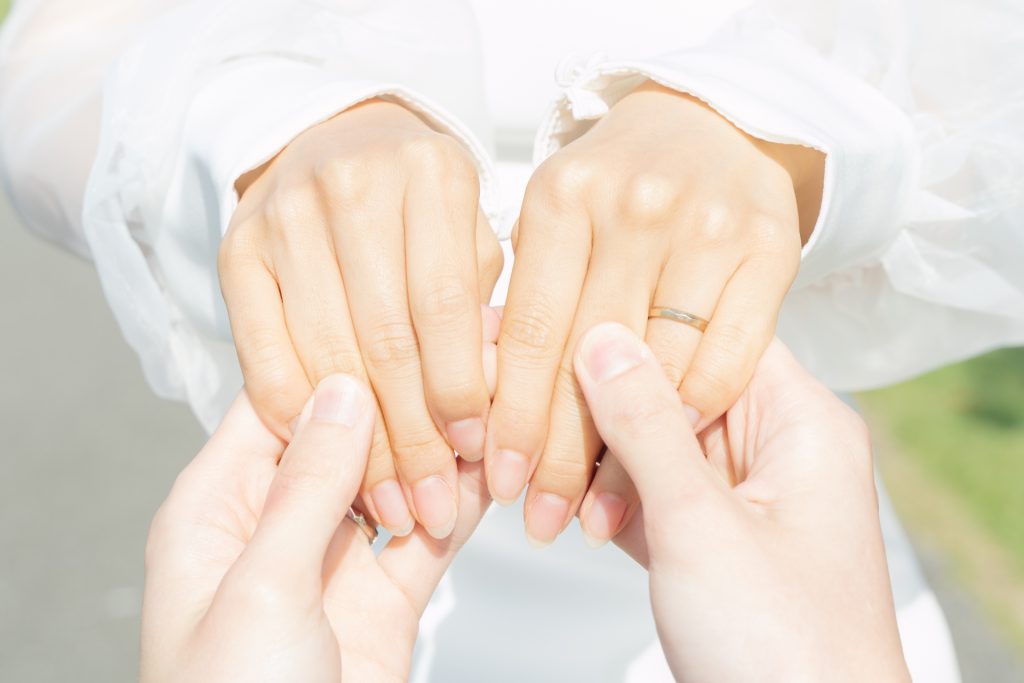
Proposals in Japan are often marked by quiet elegance rather than grand spectacle. Rooted in the cultural value of respect, the traditional omiai matchmaking process once brought families together to discuss a potential union.
While less common today, it reflects the importance of harmony between households.
Modern proposals, however, tend to be serene and mature. A ring or a bouquet with a message may be offered during a private moment, often in a scenic setting such as
beneath cherry blossoms during spring and illuminations during winter, by a tranquil shrine, or perhaps at a luxurious hotel.
Couples may also take part in ‘yubiwa no gi’, where rings are exchanged as vows of commitment.
What makes Japanese proposals distinctive is their quiet sincerity.
These gestures may seem modest, yet they carry profound emotional weight, expressing love with subtlety, grace, and elegance.
2. India
In India, proposals have long been intertwined with arranged marriages, where families take the lead.
Traditionally in most parts of India, the groom’s relatives approach the bride’s family in a formal rishta matchmaking, often accompanied by gifts, horoscopes, or detailed biodata. These rituals symbolize respect and the union of two households rather than just two individuals.
Yet modern India tells a different story.
Love marriages are becoming increasingly common, and proposals now often unfold in private moments — a quiet exchange of rings, a heartfelt gift, or a whispered promise. Family blessings usually follow, keeping tradition alive even in contemporary settings.
Unlike the grand public gestures popular in the West, Indian proposals tend to remain intimate, reflecting cultural values of modesty and discretion.
3. Singapore
Engagement customs in Singapore reflect the country’s rich multicultural tapestry, with practices varying across ethnic communities.
For Chinese Singaporeans, the Guo Da Li betrothal ceremony remains a cherished tradition.
During this ritual, the groom’s family presents gifts — symbolic items like tea, wine, or pastries — to the bride’s family, signifying respect and goodwill.
Malay couples may celebrate with Merenjis, a blessing ceremony where families gather to exchange prayers, gifts, and well‑wishes, with emphasis on the importance of community.
Among Indian Singaporeans, engagements often take the form of Sagai or Nichayathartham, ceremonies that involve exchanging rings and gifts while families formally acknowledge the union.
Together, these diverse customs highlight Singapore’s unique blend of cultures, where proposals are not just personal milestones but also communal celebrations of love, heritage, and family bonds.
4. Germany
Unlike many countries where rings are worn on the left hand, Germans traditionally wear both engagement and wedding rings on the right hand, a custom that sets them apart. The engagement ring is often a plain gold band.
The proposal is usually a private moment rather than public spectacles, reflecting cultural values of authenticity.
Once the proposal is a success, couples share this news with family and friends in a celebratory gathering. The German approach highlights commitment through modest
symbolism: a ring accompanied by the joy of sharing this special moment with loved ones.
5. Ireland
The proposals in Ireland carry a deep sense of tradition, beautifully embodied in the Claddagh Irish Ring .
This iconic design — two hands cradling a heart topped with a crown — is an emblem of love and loyalty.
When given as an engagement ring, it is worn on the left hand with the heart pointing outwards, signifying that the wearer’s heart is yet to be won.
Once the proposal is accepted, the ring is turned inward, showing that the heart is now taken.
More than jewelry, the Claddagh ring is a symbol of Irish culture, encapsulating the Irish engagement essence: a promise of unity, fidelity, and the strength of bonds forged in love and friendship.
6. China
Centuries of tradition have shaped how couples in China approach proposals.
The classic Three Letters and Six Rites outlined a formal path to marriage, complete with fortune‑telling, betrothal gifts, and family negotiations.
These rituals underscored the idea that marriage was not just a union of two people, but a bond between families.
Even today, engagement ceremonies often feature symbolic offerings for the ‘Betrothal’ such as tea, jewelry, or special foods to honor both households.
At the same time, younger generations are embracing Western influences — rings, candlelit dinners, and scenic proposals are now part of the modern landscape.
What makes Chinese proposals distinctive is this blend of grandeur and intimacy, where ancient customs coexist with contemporary romance, reflecting a society that honors its heritage while welcoming new expressions of love.
7. Middle East
Courtship in Arab culture is shaped by community and family, rather than private romance.
Young couples typically meet in public spaces (cafés, restaurants, or at home with others present) as spending intimate time together before marriage is uncommon.
The proposal itself begins with the tulba, a formal event where the groom asks the bride’s parents for permission to marry.
Once consent is given, everyone recites Surat al‑Fatiha, the opening surah (chapter) in the Holy Quran, followed by tea, coffee, and pastries — often knafeh in Levantine countries.
Following the tulba is the jaha. Here, the groom visits the bride’s home a second time, with male relatives and sometimes close friends to reaffirm his request in front of the extended family.
Together, these rituals highlight the values of respect, honor, and community that lie at the heart of Arab proposals.
8. Kenya
Across Kenya’s diverse tribes and communities, proposal customs reflect deep respect for family and tradition. Dowry, or bride price, offered by the groom’s family to the bride’s family is quite common.
This can be in the form of livestock, money, or other valuable goods, showing gratitude and the sincerity of the proposal.
The engagement ceremony itself is celebrated with community — families gathering to exchange gifts and blessings.
Among the Kikuyu, for instance, the ngurario ritual involves symbolic offerings and prayers, while in Maasai culture, cattle play a vital role in sealing the union. These ceremonies are not just about two individuals but about strengthening ties between families and communities.
In recent times, Kenyan couples blend these traditions with modern practices, yet the essence remains the same: proposals are celebrated as a promise of unity, respect, and shared prosperity.
Common Proposal Traditions Recognized Across Cultures
Seeking blessings: In many societies, it is considered a sign of respect to ask a partner’s parents and family for their permission or blessing before proposing.
The engagement ring: Presenting a ring as a token of love and commitment is common worldwide.
Traditionally worn on the left hand’s ring finger (believed to connect directly to the heart) this custom varies by culture.
Proposal Traditions That Vary by Culture
Gift exchange: Families or couples often mark an engagement by exchanging gifts, ranging from symbolic items to practical essentials.
Ceremonies & celebrations: In some cultures, engagements are formalized through gatherings or rituals where blessings, gifts, and vows are shared.
Recommended Gifts for a Proposal
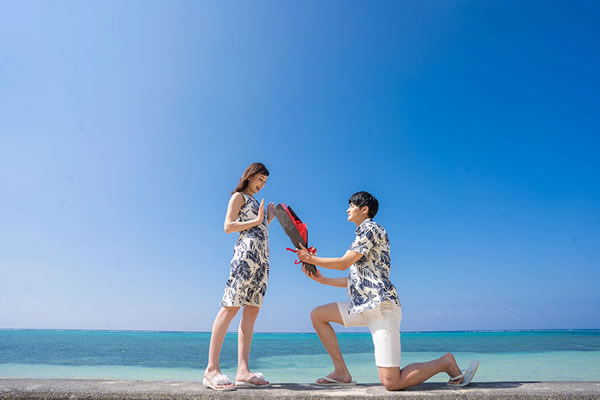
Across cultures, proposals are celebrated with symbols of love — from rings to rituals, from family feasts to sacred blessings. In today’s world, flowers remain one of the most universal and heartfelt gestures. Today, flowers and personalized gifts continue that timeless tradition.
For those seeking to make their proposal unforgettable, Patisserie Flower offers exquisite bouquets, preserved arrangements, and customizable gifts that capture the beauty of the moment and preserve it for years to come.
For more details, visit the homepage: https://www.patisserie-flower.jp/
Summary
Wedding proposal customs reflect the rich diversity of global cultures, from elaborate family negotiations to intimate romantic gestures.
Whether it’s exchanging livestock in Kenya, a family meal and ring exchange in Europe, ceremonial blessings in India, or family blessings recited during the tulba in Arab traditions, one theme unites them all: the desire to mark love with something memorable, in each tradition carries deep meaning, uniting couples in their unique cultural context. When planning a proposal, understanding these customs can inspire meaningful ways to honor both love and heritage.
If you find yourself feeling uncertain about the process or preparations, consulting a professional is a great option.
At How to Propose, our professional proposal concierges suggest the optimal proposal plan tailored specifically to the two of you and for various situations.
If interested, kindly take a moment to visit our website for further details.
投稿者プロフィール

最新の投稿
- 2025年12月18日EnglishA Proposal Guide for International Couples: How to Overcome Cultural Differences and Express Your Love in English
- 2025年12月18日EnglishHow Different Cultures Say “Marry Me”: 8 Proposal Etiquette Across the Globe
- 2025年12月17日EnglishProposing in Japan as a Foreigner: Ultimate Guide, Tips, and Etiquette
- 2025年12月17日English7 Recommended Proposal Spots in Izu | Introducing Japan’s Sanctuaries of Love